India’s First Hydrogen Fuel Cell Train: A 2,600-Passenger Leap Towards Green Rail Mobility
Powered by onboard fuel cells, the indigenous 10-coach trainset will carry 2,600 passengers on the Jind–Sonipat route with near-zero emissions, multi-layer safety systems, and a dedicated green hydrogen refuelling ecosystem at Jind.

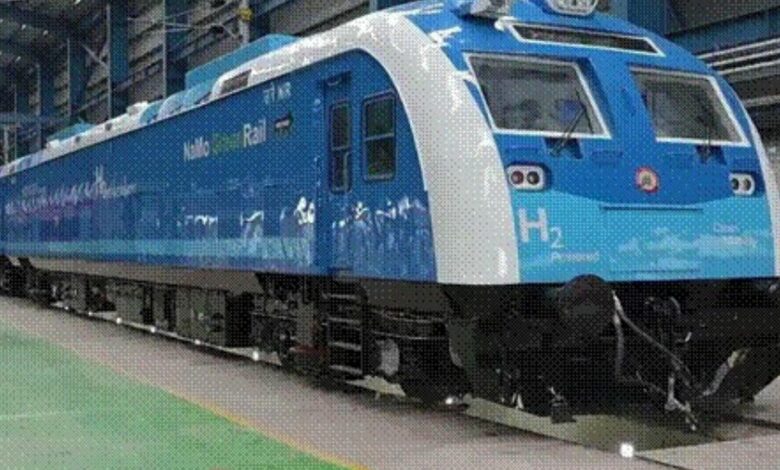
New Delhi, July 16, 2026: Indian Railways is set to make history on Friday when Prime Minister Narendra Modi flags off the country’s first hydrogen fuel cell trainset on the 89-km Jind–Sonipat section in Haryana. Designed to carry around 2,600 passengers across 10 coaches, the train represents one of the largest and most powerful hydrogen-powered passenger trainsets developed anywhere in the world.
How the ‘Magic’ Works
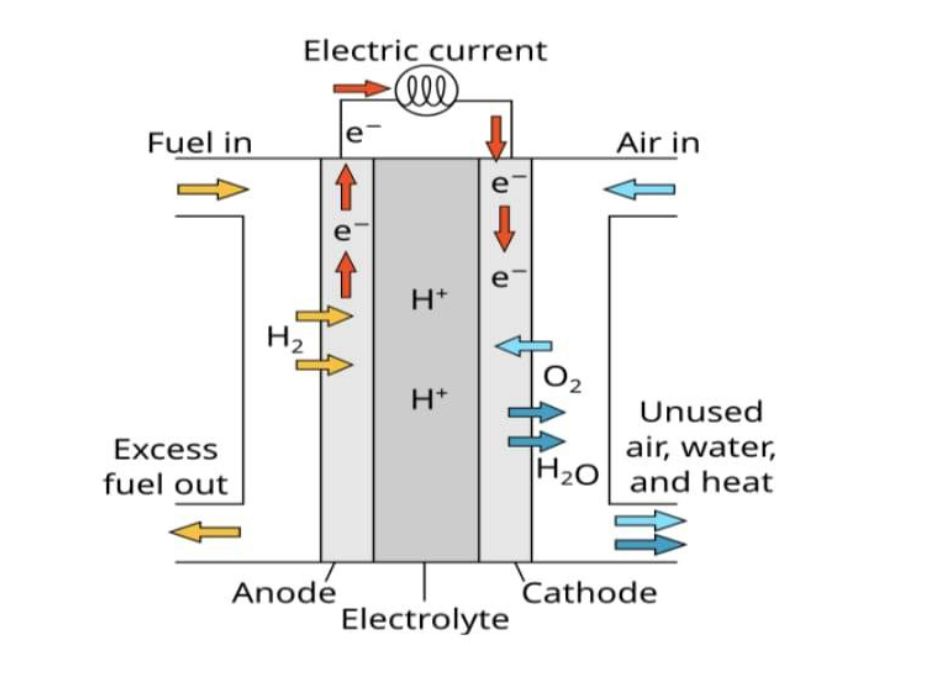
Unlike conventional electric trains that draw power from overhead lines, the hydrogen trainset generates its own electricity onboard through a chemical reaction rather than combustion. The train uses a Proton Exchange Membrane (PEM) fuel cell, essentially a small power plant carried onboard, where hydrogen stored in high-pressure cylinders combines with oxygen from the atmosphere to produce electricity.
The process is remarkably clean: Hydrogen + Oxygen → Electricity + Water Vapour. There is no combustion, no smoke and no tailpipe carbon emissions. The only by-products are water vapour and heat.
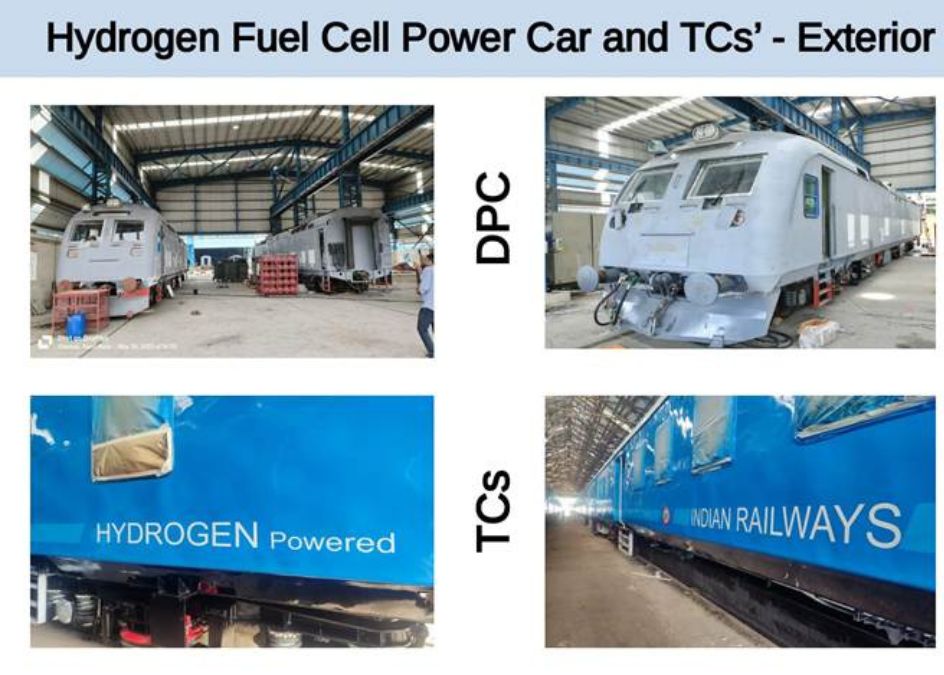
The trainset comprises two Hydrogen Driving Power Cars (DPCs), one at each end, and eight passenger trailer coaches. Each DPC produces 1,200 kW (1,600 hp), giving the train a total traction power of 2,400 kW (approximately 3,200 hp). This is sufficient to push the entire train up to its design speed of 110 kmph, though it will initially operate at 75 kmph on the Jind–Sonipat route.
A Global First in Scale
Most hydrogen passenger trains currently operating globally comprise only two to four coaches and are primarily deployed on short regional routes. Germany became the first country to introduce commercial hydrogen passenger trains in 2018, while France, Italy, China and Japan have pursued pilot projects or limited deployments.
India’s 10-coach configuration with a capacity of around 2,600 passengers demonstrates the scalability of hydrogen-powered rail transport for high-capacity passenger operations. The train, named ‘Namo Green Rail’, places India among a select group of nations, including Germany, Japan, China and the United States, that are exploring hydrogen-powered rail transportation.
Safety First: Multi-Layer Protection
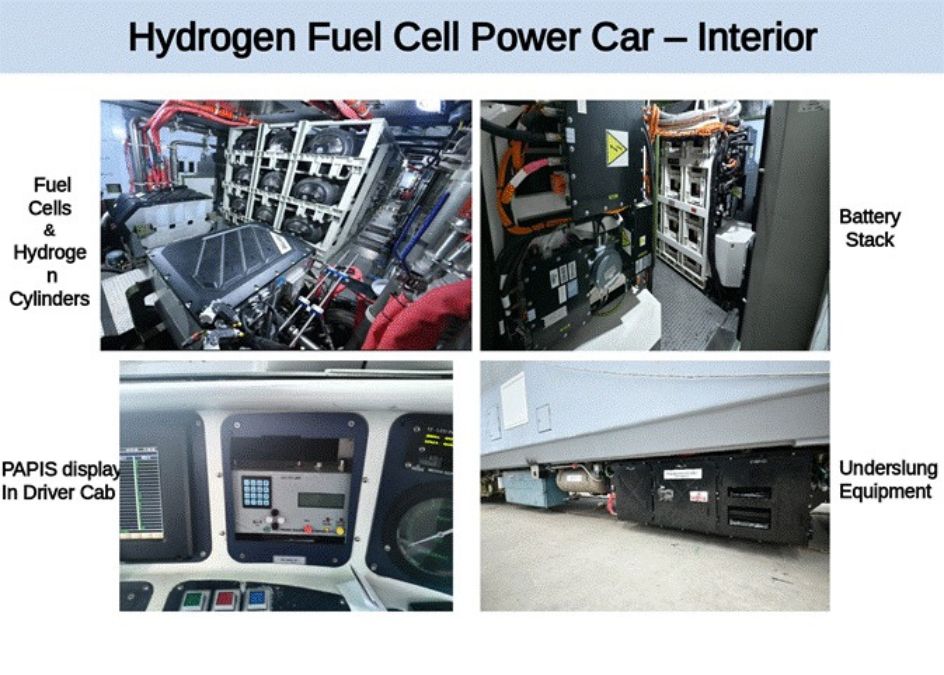
Hydrogen is famously flammable, colourless and odourless, characteristics that demand exceptional safety measures. Indian Railways has addressed this through a defence-in-depth approach, where multiple independent safety systems continuously monitor every stage of hydrogen storage, transfer and utilisation.
The train and refuelling plant are fitted with hydrogen leak detectors, flame detectors, heat sensors and smoke detection systems that can identify any anomaly within seconds. Continuous ventilation ensures that even a tiny hydrogen leak is safely carried away and diluted rather than accumulating. An automatic shut-off system can cut the hydrogen supply independently without waiting for human intervention.
The Loco Pilot’s cabin has been specifically designed with an emergency mode that allows the train to be moved to safety, and a real-time display shows the health of the entire system at all times.
The entire hydrogen ecosystem, from production and storage to dispensing, has been designed in accordance with internationally accepted standards including NFPA-2 and the ISO 19880 Series, while complying with statutory requirements of India’s Petroleum and Explosives Safety Organisation (PESO). Before commissioning, the system underwent an independent third-party safety assessment by TÜV SÜD, Germany, one of the world’s leading technical inspection and certification agencies.
India’s First Integrated Hydrogen Rail Ecosystem
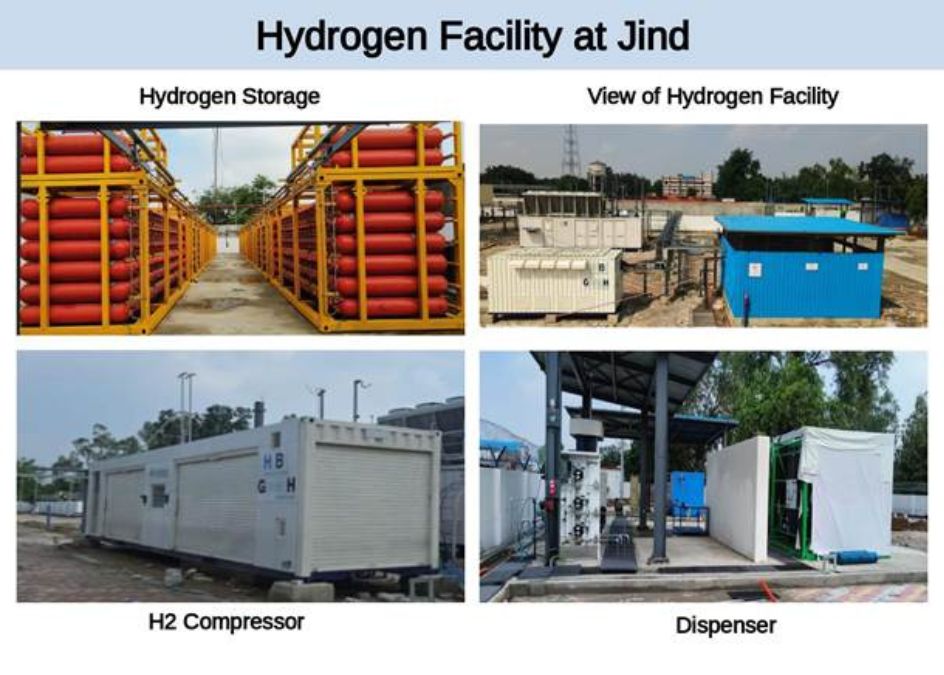
Beyond the train itself, Indian Railways has established the country’s largest railway hydrogen refuelling facility at Jind in Haryana. The facility stores nearly 3,000 kg of hydrogen at a time and operates through onsite electrolysis, splitting water into hydrogen and oxygen using electricity, followed by compression to 500 bar and dispensing at a regulated pressure of 350 bar. Two independent hydrogen dispensers allow both Driving Power Cars to be refuelled simultaneously, reducing turnaround time.
The train stores approximately 440 kg of compressed hydrogen and is expected to consume about 300 kg per day at full passenger capacity.
Built in India, For India
Designed, engineered and integrated in India, the trainset reflects the country’s growing capabilities in advanced railway engineering. The Research Designs and Standards Organisation (RDSO) formulated the technical specifications and led the design approval process. The trainset was integrated by Hyderabad-based Medha Servo Drives, while the Integral Coach Factory (ICF) in Chennai contributed to the train’s theme and exterior design. The hydrogen fuel-cell stacks are supplied by Canada’s Ballard Power Systems.
The train underwent extensive testing before being cleared for passenger service, including load box testing, radio frequency trials, oscillation trials and emergency brake distance trials.
The Road Ahead
The Jind–Sonipat route has been selected to demonstrate the operational viability, safety and reliability of hydrogen-powered passenger train services under regular operating conditions. The train will operate daily as train number 74010/74009, covering the 89-km stretch in approximately two hours with halts at 12 stations including Jind City, Pandu Pindara, Gohana and Sonipat.
Looking further ahead, Indian Railways is exploring the deployment of hydrogen technology on heritage routes, including the scenic Kalka–Shimla railway. These initiatives signal the transition from a pioneering pilot project to a structured national programme for hydrogen-powered rolling stock under the ‘Hydrogen for Heritage’ initiative, which aims to deploy around 35 hydrogen-powered trainsets.
The project supports India’s National Green Hydrogen Mission and the country’s long-term Net Zero goals. With over 99% of the Broad Gauge network already electrified, the hydrogen trainset represents the next chapter in Indian Railways’ journey from coal and steam to cleaner, more sustainable sources of energy.